
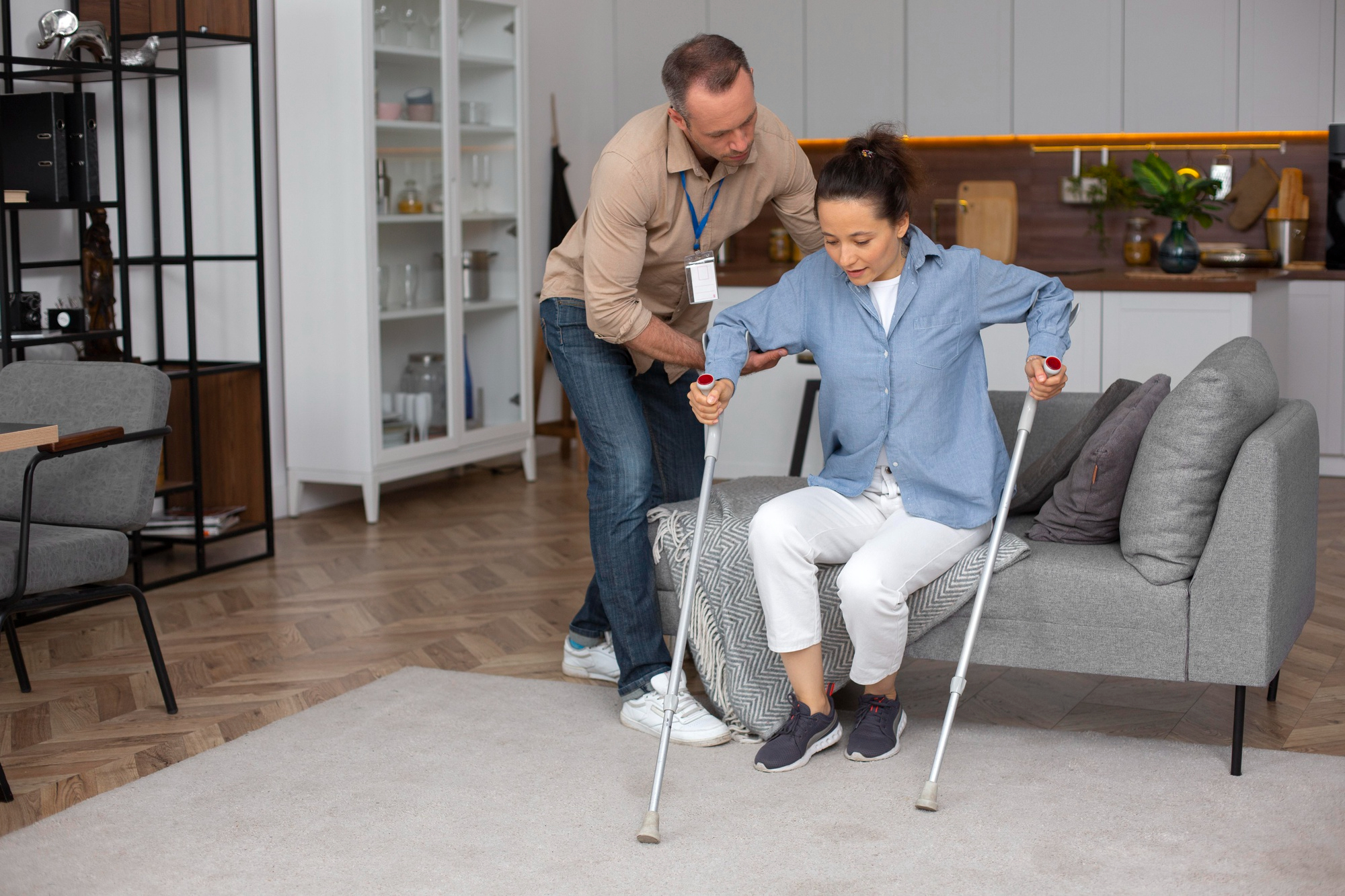
Falls Prevention Starts at Home
Falls are one of the most common causes of injury, especially among older adults. A simple slip or loss of balance can lead to serious injuries such as fractures, head injuries, or long recovery periods.
The good news is that many falls can be prevented with the right precautions, simple balance checks, and awareness of potential hazards around your home.
At Rebound Physio Clinic, we help people improve their balance, strength, and confidence so they can continue living safely and independently.
Why Falls Prevention Matters
Falls can affect anyone, but the risk increases as we age. Factors such as reduced balance, muscle weakness, vision problems, or unsafe home environments can increase the likelihood of falling.
A strong and stable body depends on proper muscle coordination and balance. Physiotherapy plays an important role in improving these functions, helping reduce the risk of falls and injury.
Preventing falls not only protects your health but also helps maintain your independence and quality of life.
Simple Balance Checks You Can Try at Home
A quick balance check can give you an idea of how stable you are during everyday movements.
1. Single Leg Balance Test
Stand near a wall or chair for support and try lifting one foot off the ground. If you struggle to stay balanced for more than a few seconds, you may benefit from balance training.
2. Sit-to-Stand Test
Sit on a chair and try standing up without using your hands. Difficulty with this movement may indicate reduced leg strength.
3. Walking Stability Check
Notice if you feel unsteady when turning quickly, climbing stairs, or walking on uneven surfaces.
If any of these movements feel difficult or unsafe, a physiotherapist can assess your balance and provide exercises to improve stability.
Common Home Hazards to Watch For
Many falls occur because of small hazards inside the home that often go unnoticed.
Some common risks include:
- Loose rugs or mats
- Poor lighting in hallways or stairs
- Slippery bathroom floors
- Cluttered walkways
- Uneven steps or flooring
- Shoes with poor grip
Making simple changes—like installing grab bars in bathrooms, improving lighting, or removing loose rugs—can significantly reduce fall risk.
Who Is at Higher Risk of Falls?
Certain factors can increase the likelihood of falling, including:
- Age over 65
- Muscle weakness or joint stiffness
- Poor balance or coordination
- Vision problems
- Previous falls
- Certain medications that affect balance
If you notice dizziness, frequent tripping, or difficulty walking, it may be a sign that your body needs support through strength and balance training.
How Physiotherapy Helps Prevent Falls
Physiotherapists specialize in improving movement, balance, and muscle strength. A personalised assessment can help identify the underlying causes of instability.
Treatment may include:
- Balance and coordination exercises
- Strength training for legs and core
- Posture improvement
- Gait and walking training
- Advice on home safety modifications
Regular physiotherapy can improve confidence in movement and help you stay active without fear of falling.
Stay Safe and Keep Moving
A safer home and better balance can help you stay active, confident, and injury-free. Taking small preventive steps today can make a big difference in maintaining your independence and wellbeing.
If you are concerned about falls or want to improve your balance, a physiotherapy assessment can help identify risks and create a personalized prevention plan.
Concerned about falls?
Get assessed by a physiotherapist today.
 by
by 

